
How to Evaluate ROI Before Entering the Vending Machine Business in Singapore (2025 Guide)
Thinking of starting a vending machine business in Singapore? Learn how to calculate ROI, breakeven period, and real profitability before investing. Includes formulas, cost breakdown, and a structured decision framework.
Wong Ryan
11/19/20252 min read
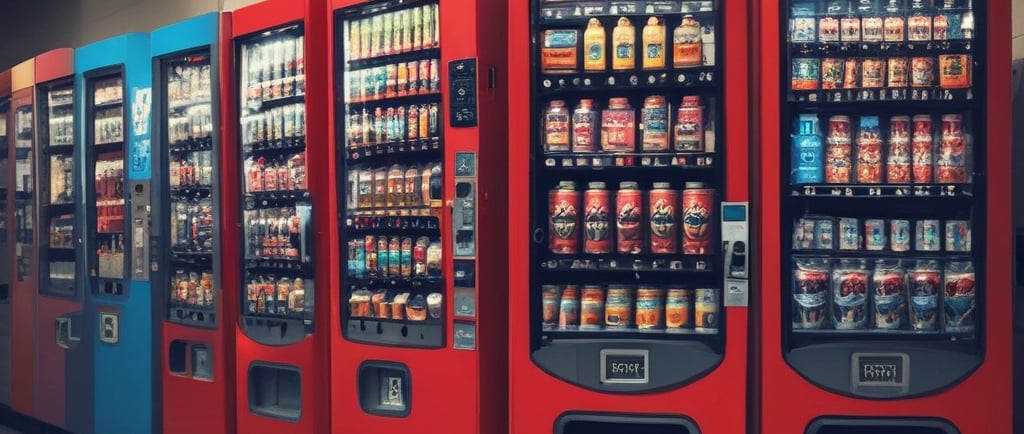
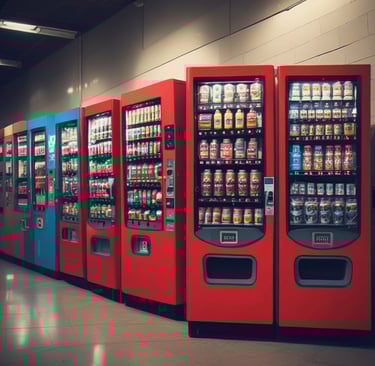
Vending Machines in 2025: A Strategic Growth Channel, Not a Gamble
In 2025, vending machines in Singapore are no longer “side income experiments.”
They are:
Automated retail units
Data-driven micro stores
Low-footprint expansion channels
24/7 revenue touchpoints
The key isn’t whether vending works. The key is whether the numbers work for your specific situation.
This guide will show you how to evaluate ROI confidently — so you can move forward strategically, not emotionally.
Step 1: Shift Your Mindset — Think “Micro Store”
Many people evaluate vending casually. Professionals evaluate vending like a retail outlet — just smaller and more efficient. Ask:
What is the revenue potential of this location?
What is the cost structure?
What is my breakeven timeline?
Is this scalable beyond one machine?
When you frame vending as a controlled retail model, the decision becomes clearer.
Step 2: Start With Revenue Potential
The core formula is simple:
Monthly Revenue = Units per Day × Average Selling Price × 30
For example:
25 units/day
$4 average price
Monthly revenue = $3,000
In Singapore, strong locations can achieve higher numbers, especially in:
Condominiums
Tourist spots
Enclosed Spaces
Student housing
The real opportunity lies in choosing the right placement for your unique products.
Step 3: Understand Your Cost Structure Clearly
A realistic ROI model includes:
Cost of goods sold
Rental or revenue share
Payment gateway fees
Electricity
Maintenance
Connectivity
Once you subtract these from revenue, you’ll see your true monthly net.
Many well-placed machines can reach breakeven within 12–18 months depending on capital outlay and performance.
That’s attractive compared to traditional retail setups requiring:
Large renovation costs
Staffing
Long-term leases
Step 4: Evaluate Breakeven Strategically
Let’s say:
Total investment to purchase: $9,000
Monthly net profit: $800
Breakeven ≈ 11–12 months
Now here’s where smart operators gain confidence:
They run multiple scenarios.
Conservative case
Expected case
High-performance case
This creates visibility and reduces uncertainty.
It transforms the decision from “hope-based” to “model-based.”
Step 5: Location Selection Drives ROI
In Singapore’s dense urban environment, vending works particularly well in:
Captive audience environments
Residential developments
Corporate offices
Healthcare institutions
When you combine:
High visibility
Repeat traffic
Limited nearby alternatives
ROI becomes much more predictable. Footfall quality matters more than raw numbers.
Step 6: Recognise the Scalability Advantage
The true strength of vending machines isn’t just one unit. It’s replication.
Once you:
Validate a profitable location type
Confirm product-market fit
Optimise pricing
You can scale systematically. Compared to opening multiple retail stores, vending offers:
Lower capital per unit
Faster deployment
Easier performance tracking
This makes it attractive for businesses that want controlled expansion.
Step 7: Use Structured ROI Tools for Clarity
At Vendibles Pte Ltd, we are launching a proprietary Vending ROI calculator designed specifically for Singapore’s vending environment.
The calculator helps businesses:
Model different sales scenarios
Factor in realistic cost structures
Simulate breakeven timelines
Evaluate multiple location types
It is not a promise of returns. It is a decision-support framework — so you can enter vending confidently and responsibly. When you understand the numbers, hesitation reduces.
Why 2025 Is a Strong Entry Point
Several trends support vending growth in Singapore:
High adoption of cashless payments
Increasing preference for convenience retail
Rising manpower costs encouraging automation
Demand for 24/7 access to essentials
These structural shifts favour automated retail. Businesses that position themselves early benefit from stronger locations and first-mover advantages in certain developments.
Final Thoughts
Vending machines in Singapore are not “get rich quick” assets.
They are:
Structured
Model-driven
Optimisable
Scalable
When evaluated properly, they offer:
Lower barriers than retail stores
Controlled risk exposure
Expansion flexibility
The key isn’t guaranteeing ROI.
The key is entering with clarity, modelling properly, and scaling only after validation. If you’re exploring vending machines as a new revenue channel, start with structured evaluation — and consider using Vendibles’ upcoming ROI calculator to map your potential before committing.
Because in vending:
Smart modelling creates confident decisions.