Rent or Buy a Vending Machine in Singapore? Here's How to Decide
Renting vs buying a vending machine in Singapore — the real cost comparison, who should do which, and the mistakes that cost owners thousands.
Wong Ryan
6/17/20264 min read
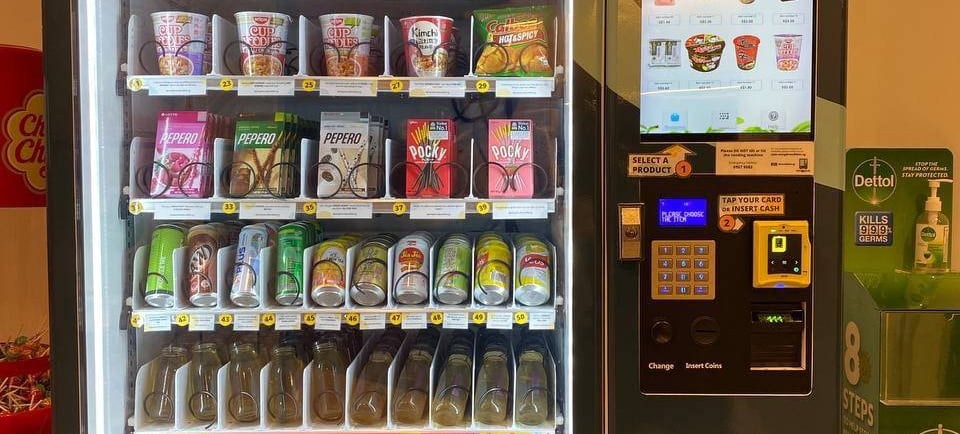
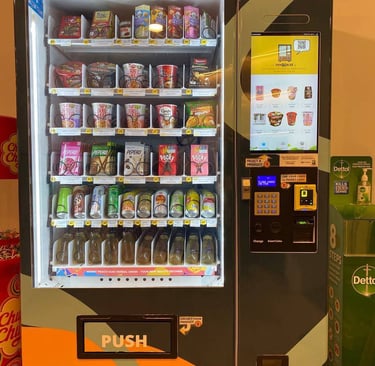
Every few weeks, someone calls us having already decided to buy a vending machine. About half the time, after we walk through their plan together, they change their mind and rent instead. The other half genuinely should buy. The point is that neither answer is universally right — but there is a right answer for your situation, and it usually comes down to three questions.
We've supplied machines both ways since 2017, so we don't have a horse in this race. Here's how we'd advise a friend.
The cost picture, honestly
Buying. A new smart vending machine — touchscreen, cashless payment, telemetry, elevator dispensing — typically costs S$8,000 to S$15,000 in Singapore depending on size and spec. Basic refrigerated drink machines cost less; specialised machines (frozen, hot food, locker-style) cost more. The second-hand market exists, with used machines going for S$1,500 to S$3,500, but buying used without knowing how to assess a compressor or a controller board is how people end up with a S$2,000 paperweight.
Renting. A fully managed rental for a comparable smart machine runs roughly S$500 to S$900 a month, maintenance included. Over a few years, that's superficially similar to the purchase price.
Which is exactly why the sticker comparison misleads people. The real differences are in what happens after the money changes hands.
What ownership actually means
When you own the machine, you own everything that goes wrong with it. That includes:
Repairs and parts. Compressors fail. Bill validators jam. Touchscreens die. A compressor replacement alone can run S$400 to S$800 with labour, and parts for imported machines can take weeks to arrive if your supplier doesn't stock them locally.
Technology obsolescence. Payment systems change. Singapore's vending scene moved from cash to NETS to QR payments to full contactless in under a decade. A machine bought today will need its payment hardware refreshed within its lifetime, at your cost.
Downtime. Every day a broken machine sits dark, you lose revenue and annoy the location owner. If you own one machine and it breaks, your "fleet" is offline.
Disposal. Vending machines are heavy, bulky and hard to resell. If your plans change, getting rid of one is a genuine cost, not a footnote.
None of this makes ownership wrong. It makes ownership a commitment to operating machinery, which is fine if that's the business you want to be in.
The three questions that decide it
1. How long will this machine run in this location?
If you have a confirmed location and a use case that will hold for four years or more — a factory canteen, a large office, your own retail premises — ownership starts to make financial sense, because you amortise the purchase over a long, stable life. If the location is unproven, or your needs might change within two years, rent. The exit cost of a rental is the end of the contract. The exit cost of ownership is a warehouse problem.
2. Do you want to operate machines, or use them?
This is the question most people skip. A machine is a means to an end — selling product, serving staff, running a campaign. If your actual business is something else, every hour spent coordinating repairs is an hour taken from your actual business. Renting with maintenance included means breakdowns are someone else's job, with response times written into the agreement. If, on the other hand, you're building a vending route as a business in itself, owning your machines is your inventory and you should learn to maintain them.
3. How many machines, eventually?
One machine for your own office: the maths is close either way, and convenience should decide it (which favours renting). Ten machines across multiple sites: now you're an operator, and ownership economics improve — but so does your exposure to maintenance load. Many operators in Singapore run a mix: owned machines at proven sites, rented machines to test new ones.
When buying is clearly right
You run a location with proven, stable traffic and a multi-year horizon
You have in-house facilities or maintenance staff who can handle basic faults
You're building vending as a core business and want full margin
You need a heavily customised machine that no operator stocks for rental
When renting is clearly right
You're testing a location or product and want the option to walk away
You want predictable monthly costs with zero repair surprises
The machine supports your business but isn't your business — staff welfare, customer convenience, brand campaigns
You need it running fast; rental machines install in days, while purchased machines (especially customised ones) can take weeks to ship and commission
The middle path most people miss
You don't have to choose between a S$10,000 purchase and nothing. Two lighter options exist in Singapore:
Rent a column, not a machine. Brands that want product placement can rent shelf space inside an existing machine at a high-traffic location. You get distribution without owning or renting hardware at all.
Profit-share placements. Some operators will place a machine at your premises at no rental cost and share revenue with you. If you own a location with good footfall, you can have a vending machine generating income for you without buying anything. (We do exactly this — see our location placement page.)
Our recommendation
If you're reading a blog post to decide, rent first. That's not self-interest talking — it's that uncertainty is the deciding factor, and if you were certain, you wouldn't be researching. Run a rented machine for 12 months, learn your real sales numbers, then make the ownership decision with data instead of projections. The premium you pay for renting during that year is the cheapest market research you'll ever buy.
Still on the fence? Tell us your location and goal and we'll give you a straight recommendation, including "buy it elsewhere" if that's genuinely your best move. Contact us or WhatsApp +65 9800 7373.