Do You Need a Licence to Operate a Vending Machine in Singapore?
A plain-English guide to vending machine licences and regulations in Singapore — SFA rules, ACRA registration, landlord approvals and what actually applies to you.
Wong Ryan
6/19/20264 min read
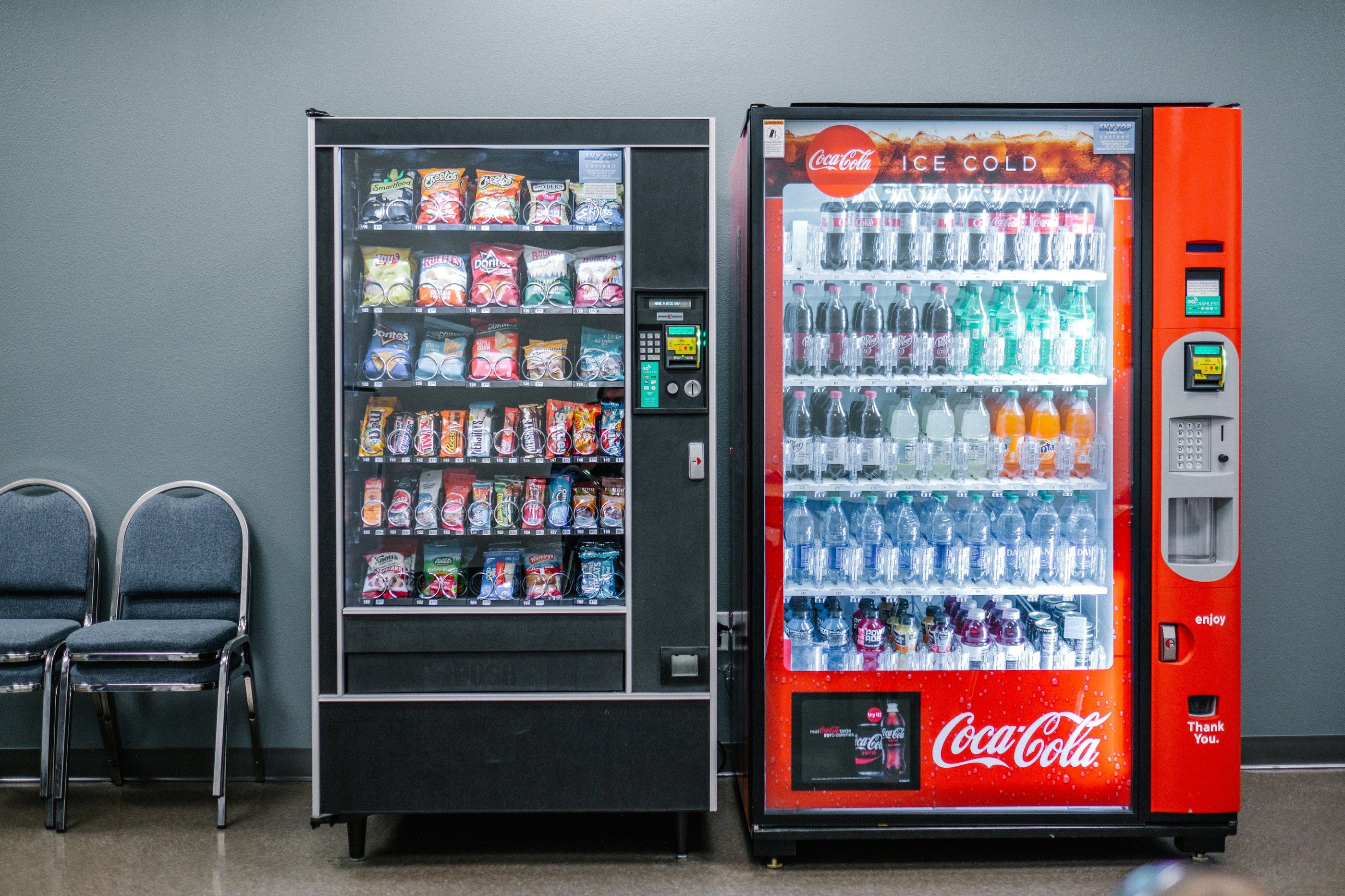
Short answer: for most machines selling pre-packaged drinks and snacks, no specific vending licence is required — but you do need a registered business, the property owner's approval, and compliance with a few rules that depend on what you sell and where you put the machine.
Longer answer below, because the details matter, and the penalties for getting food-related rules wrong are not trivial. We've been placing machines across Singapore since 2017, so this is the practical version, not the legal-textbook version. (One caveat upfront: regulations change, and this article is general guidance, not legal advice. When in doubt, check directly with the agency concerned.)
Start here: register your business
Before anything else, you need a registered business entity with ACRA. A sole proprietorship is the simplest route; a private limited company costs more to set up but separates your personal assets from business liability, which matters more as you add machines. If you're an existing business adding a vending machine to your premises, you've already cleared this step.
The food question: when SFA gets involved
This is where most of the confusion lives, so let's be precise.
Pre-packaged, shelf-stable food and drinks — canned drinks, bottled water, packet snacks, instant noodles — generally do not require a food licence for the machine itself. The products must be from legitimate sources and properly labelled under Singapore's food regulations, but the machine isn't treated as a food establishment.
Machines that prepare or dispense food are a different story. If the machine cooks, heats, mixes or dispenses ready-to-eat meals — hot food machines, fresh juice machines, coffee machines selling to the public — a Singapore Food Agency licence applies. The food vending machine licence costs around S$195 per year, and one licence can cover multiple machines under the same operator, provided you declare them.
Frozen and chilled fresh food sits in between and depends on the specifics. Temperature control requirements apply, and SFA expects proper cold-chain handling. If you're planning fresh meals, talk to SFA before you order the machine, not after.
The reason to take this seriously: food safety enforcement in Singapore is active, and a food poisoning incident traced to your machine is a business-ending event, licence or not.
Where you place it matters as much as what you sell
There's no general "vending machine permit" for Singapore as a whole, but every location has a gatekeeper:
Private premises (offices, gyms, condos, retail units): you need the property owner's or MCST's written agreement. This is a commercial negotiation, not a government process.
Malls and commercial buildings: the landlord will have its own licensing agreement for vending space, usually with a monthly fee and conditions on machine appearance and product mix.
HDB and public spaces: placements near HDB blocks or in public areas typically go through the town council or relevant agency. Competition for these spots is real, and approvals take time.
Schools and institutions: expect product restrictions. Schools in particular have guidelines on what can be sold to students — sugar content rules apply to drinks, and the Health Promotion Board's Nutri-Grade framework restricts advertising and sale of Grade D drinks. If your machine targets a school, plan the product mix around this from day one.
Technical and safety compliance
A few requirements that catch first-timers:
Electrical safety. Machines must run off proper licensed electrical installations. Most locations have suitable points; older premises sometimes need an electrician to certify or install one. Don't daisy-chain a refrigerated machine off an extension cord — it's a fire risk and most landlords will (rightly) refuse it.
Fire safety. Machines can't block escape routes or fire-fighting access. In managed buildings, the FM team will check placement against SCDF requirements before approving.
Weight and access. A loaded drink machine can weigh several hundred kilograms. Upper floors, raised platforms and older buildings sometimes need a load check, and you'll want to confirm lift and corridor dimensions before delivery day. We've seen machines that couldn't make the final turn into a corridor. Measure first.
Drinks operators: note the beverage container scheme
Singapore's beverage container return scheme adds a deposit to most pre-packaged drinks in plastic bottles and metal cans, which is refunded when consumers return the empties. If you're selling drinks through a machine, your pricing and product sourcing need to account for the deposit. Your drink supplier will be on top of this, but it's worth understanding so your retail price doesn't surprise customers at the machine.
What about insurance?
Not legally mandatory, but practically essential. Public liability cover protects you if your machine injures someone or damages property, and many landlords now require proof of cover before approving placement. Machine and stock cover against vandalism and theft is worth considering for machines in open-access locations. Annual premiums for a small operation are modest — a few hundred dollars — against the scale of what they protect.
The simple checklist
For a standard machine selling packaged drinks and snacks at a private location:
Registered business (ACRA)
Written agreement with the property owner
Proper electrical point at the location
Products from legitimate, labelled sources
Public liability insurance (strongly recommended, often required)
Add an SFA licence if the machine prepares or dispenses food. Add agency approvals if the location is public land or HDB-managed.
Or skip the homework entirely
Here's the part where we point out the obvious: when you rent through a managed operator, the compliance burden largely sits with the operator. Machine certification, electrical requirements, landlord conditions and product compliance are problems we solve every week, because it's our core business. If you'd rather spend your energy on what the machine does for your business instead of the paperwork around it, that's exactly what a managed arrangement is for.
Planning a machine and not sure which rules apply to your case? Ask us — we'll tell you in one conversation what would take you an afternoon of agency websites to piece together. WhatsApp +65 9800 7373.