
Why businesses should consider vending machines in Singapore in 2025 — smarter reach, lower cost, better data
Discover why vending machines in Singapore are a smart business move in 2025. Learn about ROI, smart vending technology, regulations, ideal locations, and how to launch a profitable vending strategy.
Wong Ryan
9/21/20253 min read
TL;DR — the short, honest version
Vending machines are no longer just snack dispensers — they’re smart, cashless, data-generating retail touchpoints that can lower cost-to-serve, reach high-footfall micro-locations, and create recurring revenue.
The Singapore vending market is growing — recent data shows strong sales and continued upside in 2025. If you want low-capex retail experiments or passive revenue streams in high-rent Singapore, vending deserves a pilot.
The Rise of Vending Machines in Singapore
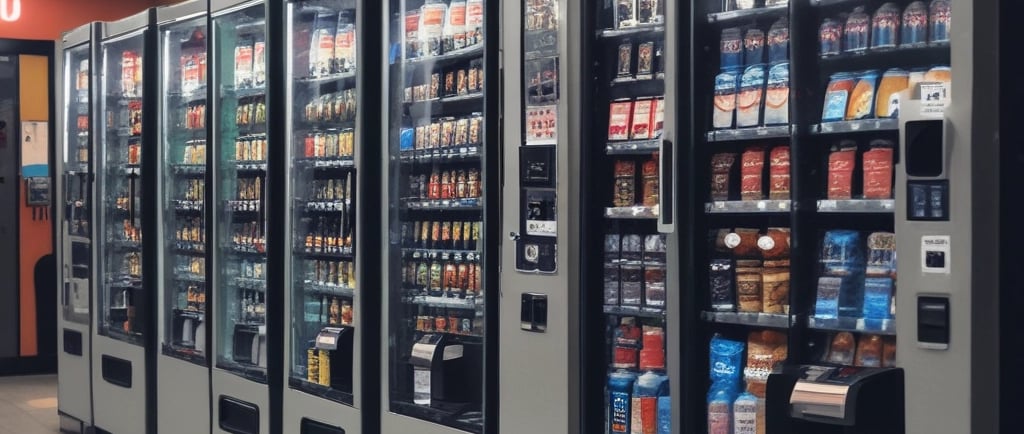
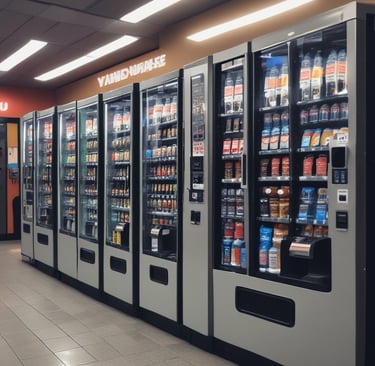
Walk through any major mall, office tower, MRT station, or residential condo in Singapore today and you’ll notice something: vending machines are everywhere — and they’re no longer just selling canned drinks.
In 2025, vending machines in Singapore have evolved into smart retail solutions powered by cashless payments, real-time inventory tracking, and cloud-based monitoring systems. Businesses are using them not just to sell products, but to:
Create new revenue streams
Test new markets with low overhead
Increase brand visibility 24/7
Reduce manpower dependency
If you’re running a business in Singapore, ignoring vending machines in 2025 may mean missing a highly efficient distribution channel.
Why 2025 Is the Right Time
1. Singapore Is Built for Cashless Retail
Singapore is one of the most cashless-ready countries in Asia. With widespread adoption of:
Contactless credit/debit cards
PayNow
Apple Pay & Google Pay
QR-based payment systems
Modern vending machines seamlessly integrate with these payment options. That means:
Lower purchase friction
Faster transactions
Higher impulse buying rates
Consumers no longer hesitate because they “don’t have coins.”
2. Rising Manpower Costs Make Automation Attractive
Hiring and retaining staff in Singapore is expensive. With minimum wage pressures, foreign worker quotas, and rising rental costs, businesses are constantly looking for ways to:
Reduce operational overhead
Increase efficiency
Maintain profit margins
A vending machine operates:
24 hours a day
7 days a week
Without salary, CPF, or shift scheduling
It is effectively a micro-retail store without staffing costs.
3. Smart Vending = Data-Driven Decisions
Modern vending machines are no longer “set and forget.”
They offer:
Real-time inventory tracking
Sales analytics by SKU
Remote pricing updates
Low-stock alerts
Performance monitoring by location
This allows businesses to:
Identify best-selling products
Remove slow-moving SKUs quickly
Optimise pricing dynamically
Reduce spoilage (especially for chilled food)
In short, vending becomes a measurable, optimisable sales channel.
Key Benefits of Vending Machines for Businesses in Singapore
1. Low Barrier to Entry Compared to Retail Stores
Opening a physical store in Singapore involves:
High rental deposits
Renovation costs
Staffing
Utilities
Long-term leases
A vending machine requires:
Smaller space footprint
Lower rental or revenue-sharing agreements
Minimal renovation
This makes it ideal for businesses wanting to test new products or locations without committing to a full retail outlet.
2. 24/7 Revenue Generation
Unlike traditional retail shops with fixed operating hours, vending machines generate revenue around the clock.
This is especially powerful in:
Condominiums
Office buildings
Hospitals
Student housing
Transport hubs
Consumers increasingly value convenience. If they can buy instantly without queuing — they will.
3. Ideal for High-Rent, High-Footfall Singapore
Singapore’s retail landscape is dense and compact. Strategic placements in:
Shopping malls
MRT stations
Business parks
HDB estates
Private condominiums
can generate strong daily volume with minimal space requirements.
A 1–2 square metre footprint can outperform much larger retail units when placed correctly.
4. Brand Visibility & Marketing Arm
Vending machines are not just sales tools — they are marketing assets.
They:
Increase brand presence in premium locations
Allow eye-catching custom branding
Support limited-time promotions
Enable product launches
Some brands use vending machines for:
Exclusive product drops
Seasonal campaigns
Collaboration launches
It becomes a physical billboard that also sells.
Compliance & Regulations in Singapore
If you plan to sell food or beverages, you must comply with regulations from:
Singapore Food Agency
National Environment Agency
Requirements typically include:
Proper licensing
Food temperature control
Hygiene standards
Clear labeling
Operator contact information
Compliance is straightforward when done properly — but must not be overlooked. Businesses should factor licensing and inspection processes into their setup timeline.
Ideal Business Types for Vending Machines in 2025
FMCG Brands
Snacks, beverages, healthy meals, supplements.
Corporate Offices
Pantry alternatives, convenience items, coffee solutions.
Fitness & Wellness Brands
Protein shakes, energy drinks, recovery products.
Healthcare Institutions
Personal care items, essentials, approved consumables.
Retail Brands
Limited edition items, blind boxes, collectibles.
Final Thoughts: Is It Worth It?
In 2025, vending machines in Singapore are no longer secondary retail tools. They are:
Automation assets
Brand touchpoints
Revenue channels
Market testing platforms
For businesses looking to:
Expand without heavy retail investment
Create passive revenue streams
Increase brand presence in high-value locations
Vending machines are a strategic option worth serious consideration.
If you're exploring vending machine solutions in Singapore and want a structured evaluation of whether it fits your business model, start with a pilot. Test. Measure. Optimise. Then scale intelligently.