Why Businesses Should Consider Vending Machines in Singapore in 2026
Rent, manpower and rising costs are squeezing Singapore retail. Here's why more SME brands are using vending machines as a distribution channel, and who it actually works for.
Wong Ryan
6/15/20264 min read
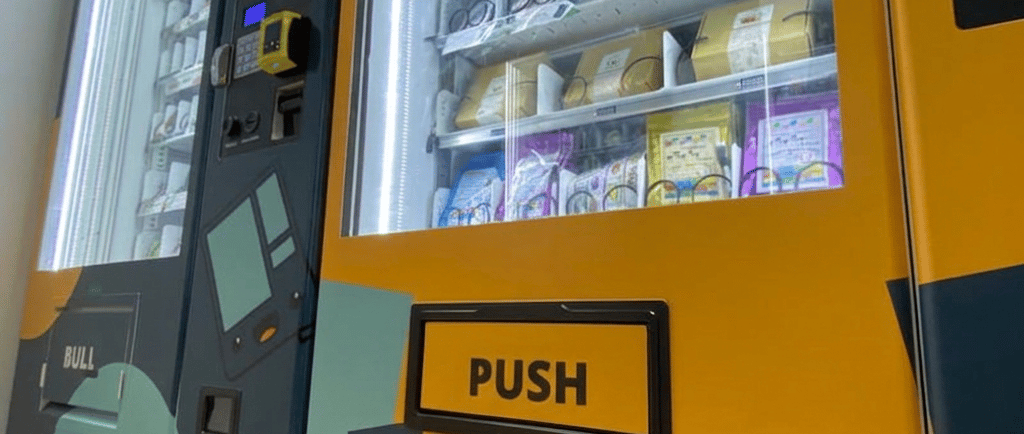
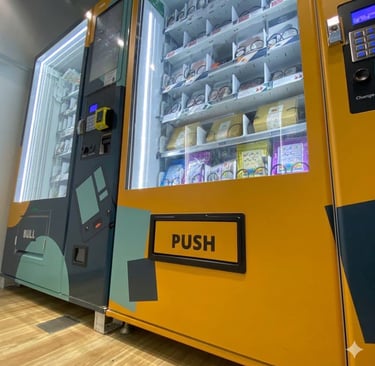
When we started Vendibles in 2017, vending machines in Singapore mostly meant one thing: canned drinks outside a void deck. Today we place machines that dispense skincare, bento meals, electronics, corporate gifts and event redemptions and the people renting them aren't vending operators. They're product brands, F&B businesses and corporates using machines as a distribution channel.
That shift didn't happen because machines got fancier. It happened because the economics of traditional retail in Singapore got harder. Here's the case for vending as a business channel in 2026, including the situations where it doesn't make sense.
1. Retail costs have outgrown retail margins
Singapore's retail math has been deteriorating for years, and the past two saw record F&B closures — thousands of outlets gone, many within their first few years. The pattern behind the closures is consistent: rent and manpower climbing faster than revenue.
A vending machine sidesteps both. The space it occupies costs a few hundred dollars a month instead of five figures. It needs restocking hours, not headcount. It doesn't take MC, doesn't resign during a labour crunch, and doesn't need a manager to cover the weekend shift.
2. It's the only retail format you can actually test
Open a shop in the wrong location and you're locked into a multi-year lease, a renovation you can't take with you, and an expensive lesson. Place a vending machine in the wrong location and you move it next month.
This changes how you can make decisions. Instead of committing capital based on a hunch about foot traffic, you place a machine, watch four to eight weeks of real sales data, and then decide. Wrong product mix? Change it next restock. Wrong price point? Adjust it remotely. Wrong location entirely? Relocate.
No other physical retail format gives you that reversibility. For an SME without the balance sheet to absorb a failed outlet, it's the difference between an experiment and a gamble.
3. Your products sell while your business sleeps
A machine in an office lobby sells at 7am to the early crowd and at 11pm to the overtime crowd. A machine at a gym sells before the 6am class. No shop with reasonable staffing costs can cover those hours, yet that's exactly when convenience purchases happen, when nothing else is open.
For e-commerce brands, this solves a different problem: immediacy. You've built demand online, but a customer who wants your product today has no way to get it. A machine gives them same-day pickup and gives passers-by a way to discover and buy your product physically, without you hiring a single salesperson.
4. Modern machines generate data, not just sales
The machines we deploy run on cashless payment — PayNow, contactless cards, mobile wallets — with real-time inventory and sales reporting through a mobile app. That means you know, without driving anywhere, exactly what sold, when, and what's running low.
Compare that with what most small retailers actually know about their own shops, and the machine often comes out ahead. Per-location, per-product, per-hour sales data is the kind of information brands pay market research firms for. A machine produces it as a by-product of operating.
It also changes restocking from guesswork into a route plan. You go when the data says go.
5. The machine itself is marketing
A vending machine is a permanently staffed brand presence that never goes off-message. Wrapped in your branding, a machine in a high-traffic location works as a billboard that happens to also generate revenue. Smart machines with large screens add another layer — promotional videos, campaign content, product launches — without paying media rates for the eyeballs.
We've also seen the redemption use case grow faster than anything else: machines dispensing corporate gifts, staff welfare packs and event giveaways against a QR code or staff pass. That's not retail at all — it's operations. But it's the same hardware, and it's often how corporates first discover what vending machines can do now.
Where vending doesn't work
We'd rather tell you this before you call us than after.
Products that need explanation or trial. If customers need to ask questions, compare options at length, or try before buying, a machine can't do the selling. It works for products people already recognise or can evaluate at a glance.
Locations without footfall. A machine doesn't create traffic; it converts traffic that already exists. No amount of machine technology fixes a dead corridor. This is why location assessment matters more than machine selection, and why we'd rather talk you out of a bad location than rent you a machine for it.
Businesses expecting passive income from day one. A machine still needs stocking, product decisions and occasional attention. A fully managed rental removes most of the workload, but "fully automatic money" is a YouTube fantasy, not a business plan. Realistic expectations make better partnerships.
The practical first step
If any of this maps to your situation, the sequence that works is boring and reliable: start with one machine, in the best location you have access to, with a focused product range. Run it for a quarter. Let the data tell you whether to expand.
The businesses that scale to five or ten machines all started exactly this way. The ones who order five machines on day one based on projections usually end up moving three of them.
Thinking about whether your product or premises fits the model? Tell us what you sell and where you'd place a machine, we'll give you a straight assessment, including a no if it's a no. WhatsApp us or get in touch with us on our website today.